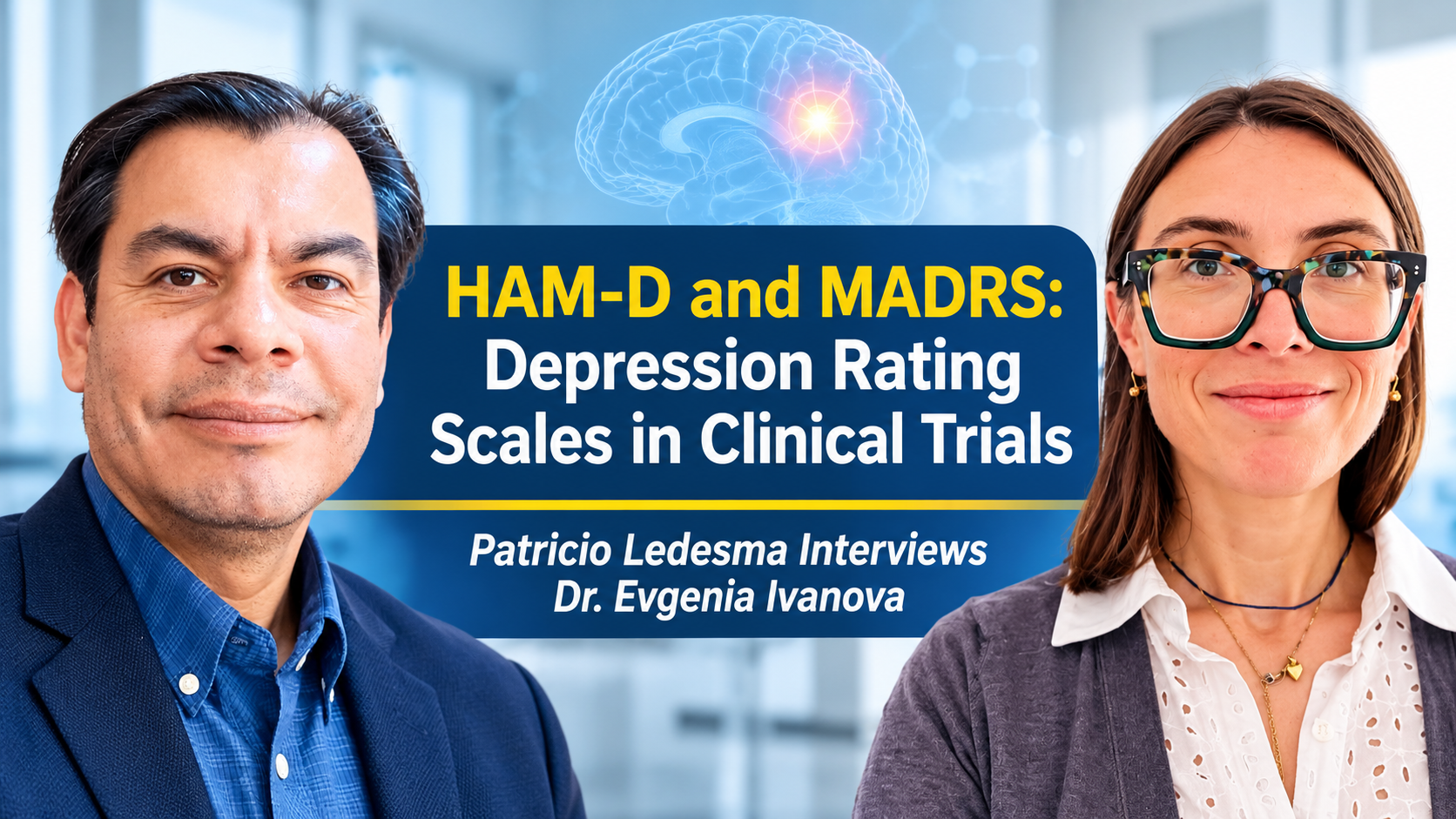
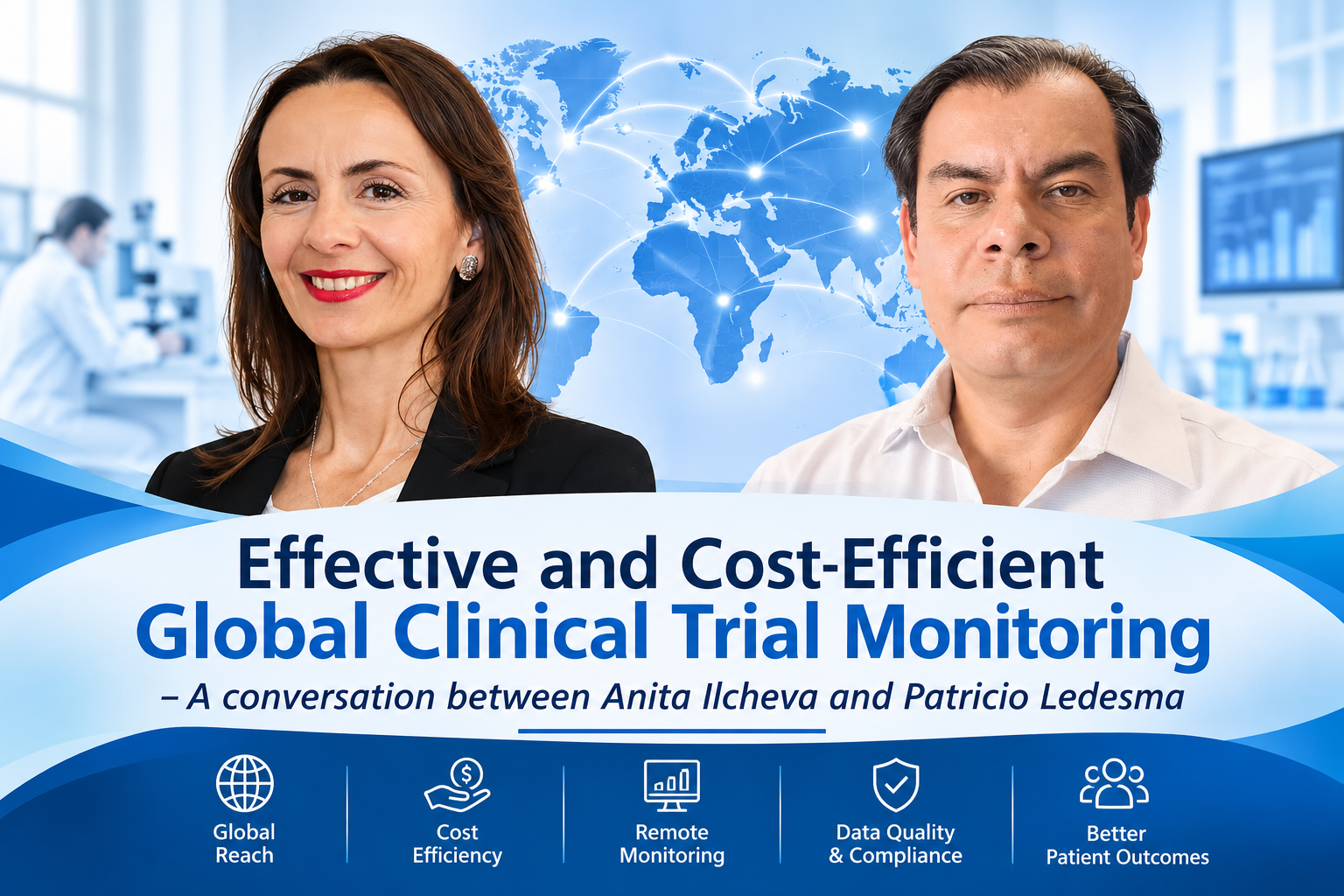
A conversation between Anita Ilcheva and Patricio Ledesma
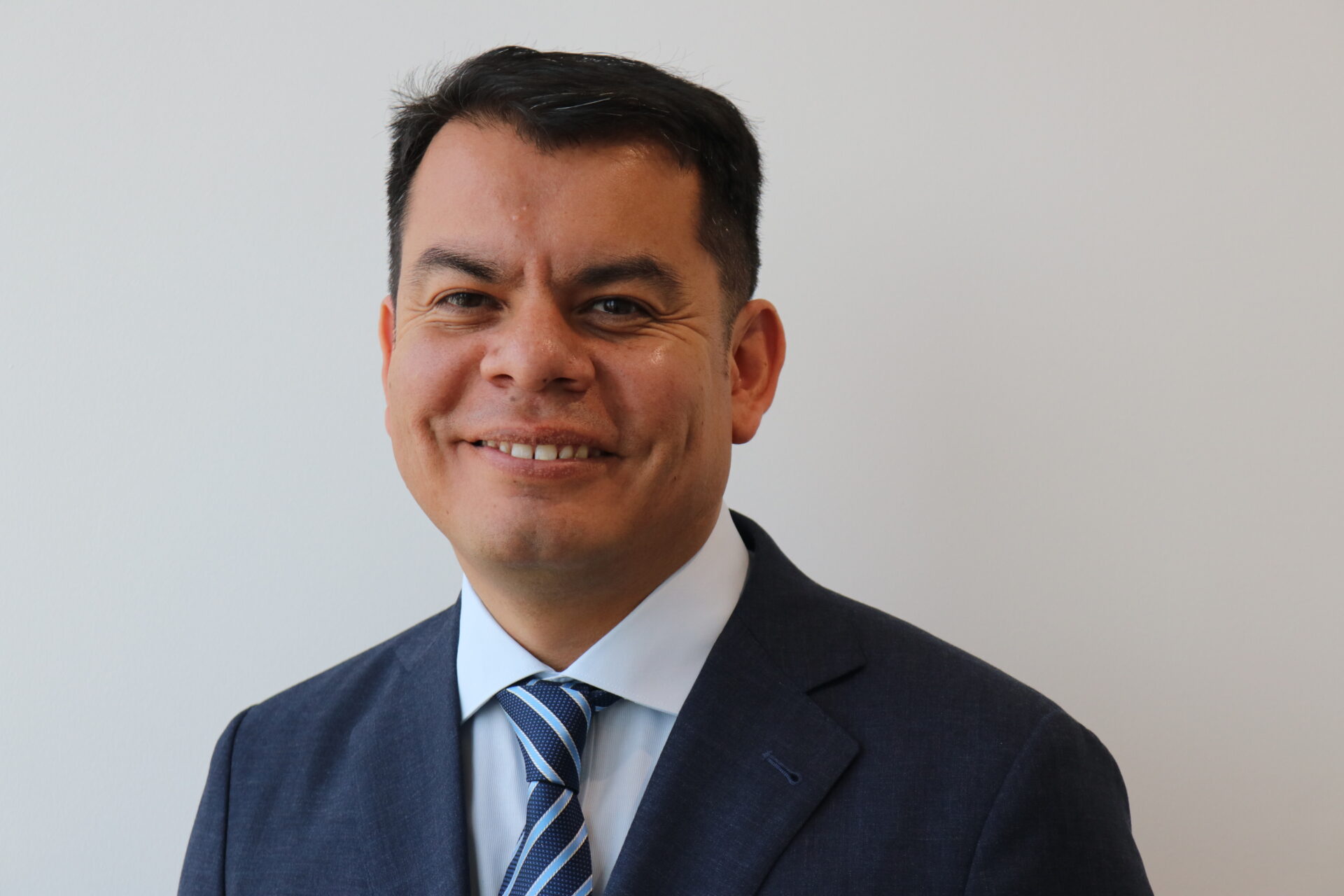
By Patricio Ledesma, Founder and CEO, Sofpromed
As clinical trials become increasingly international, sponsors face growing challenges in managing onsite monitoring activities across multiple countries, regulatory environments, and investigator sites.
Effective monitoring remains a cornerstone of Good Clinical Practice (GCP), but rising travel costs, site complexity, and operational pressures have forced sponsors to rethink traditional monitoring models.
To discuss how sponsors can implement efficient and cost-effective monitoring strategies in multinational studies, Anita Ilcheva, Chief Financial Officer at Sofpromed, sat down with Patricio Ledesma, CEO and Founder of Sofpromed, who has spent more than 15 years leading global clinical research programs across oncology, rare diseases, medical devices, and investigator-initiated studies.
In this interview, Patricio shares practical lessons learned from monitoring international trials and explains how Sofpromed successfully supported a complex global Phase II oncology study involving approximately 250 patients across eight countries.
Anita Ilcheva:
Patricio, let's begin with a fundamental question. Why is onsite monitoring still so important when the industry has invested so heavily in centralized monitoring and remote technologies?
Patricio Ledesma:
That is an excellent question because many sponsors hear terms like "risk-based monitoring" or "remote monitoring" and assume onsite monitoring is becoming obsolete.
In reality, that is not what regulatory agencies are saying.
The FDA, EMA, and ICH all support risk-based quality management, but none of them suggest eliminating onsite monitoring altogether.
Certain activities simply cannot be adequately performed remotely.
For example:
- Source Data Verification (SDV)
- Source Data Review (SDR)
- Drug accountability reviews
- Pharmacy inspections
- Investigator oversight assessments
- Essential document review
- Site process evaluation
- Verification of informed consent procedures
Remote tools are extremely valuable, but clinical research is still conducted at sites, by people, with patients.
At some point, experienced monitors need to physically visit those sites.
The objective should not be replacing onsite monitoring.
The objective should be optimizing onsite monitoring.
Anita Ilcheva:
From a financial perspective, monitoring often represents one of the largest operational expenses in a clinical trial. Why does monitoring become particularly expensive in multinational studies?
Patricio Ledesma:
The complexity grows exponentially with every country added to a study.
A single-country study may involve:
- One language
- One regulatory authority
- One cultural environment
- One monitoring team
Now compare that to a global oncology trial operating in:
- United States
- Canada
- Spain
- Italy
- France
- Poland
- Singapore
- Australia
Suddenly, you are dealing with:
- Multiple health authorities
- Different languages
- Diverse site practices
- Long-distance travel
- Varied regulatory expectations
- Different standards of medical documentation
Travel alone becomes a major cost category.
Typical monitoring-related travel expenses include:
| Cost Component | Examples |
| Airfare | Intercontinental and regional flights |
| Hotels | Multi-day monitoring visits |
| Ground Transportation | Taxi, train, car rental |
| Travel Time | Non-productive CRA hours |
| Visa and Administrative Costs | International entry requirements |
In some studies, travel-related expenses can represent 30% to 50% of the entire monitoring budget.
That is why a smart geographical monitoring strategy becomes critical.
Anita Ilcheva:
Many sponsors immediately focus on reducing monitoring costs. Is that the correct approach?
Patricio Ledesma:
Not necessarily.
I believe sponsors sometimes ask the wrong question.
Instead of asking:
"How do we spend less on monitoring?"
They should ask:
"How do we obtain the highest monitoring quality for each dollar spent?"
Those are very different questions.
The cheapest monitoring model is often the most expensive in the long run.
Poor monitoring can lead to:
- Protocol deviations
- Missing source documents
- Data quality issues
- Inspection findings
- Database lock delays
- Additional monitoring visits
- Costly Corrective and Preventive Actions (CAPAs)
I have seen studies where sponsors saved money upfront by using inexperienced monitors, only to spend far more later trying to repair quality issues.
Anita Ilcheva:
That brings us to an interesting topic. As CFO, I frequently see sponsors comparing CRA hourly rates. Why do you often advocate for senior CRAs even though they cost more per hour?
Patricio Ledesma:
Because hourly rate and total study cost are very different things.
Let's look at a simplified example.
| CRA Type | Hourly Cost | Relative Productivity |
| Junior CRA | €60/hour | Baseline |
| Senior CRA | €95/hour | 40-60% higher |
Many procurement teams stop at the hourly rate and conclude that the junior CRA is the better financial option.
But experienced CRAs typically:
- Require fewer oversight meetings
- Identify issues much earlier
- Produce better-quality reports
- Have stronger site relationships
- Resolve problems independently
- Require fewer repeat visits
In oncology studies, the difference becomes even more significant because eligibility criteria, safety reviews, and efficacy assessments are often extremely complex.
A senior oncology CRA may be more expensive per hour, but overall study costs can actually decrease.
That is why at Sofpromed we strongly favor experienced CRAs for high-risk international studies.
Anita Ilcheva:
You mentioned site relationships. How important are they from an operational perspective?
Patricio Ledesma:
They are enormously important.
Sometimes sponsors underestimate the human side of clinical research.
At the end of the day, recruitment, data quality, and protocol compliance depend on people.
When investigators and study coordinators trust their monitor, several things happen:
- Queries are answered faster
- Recruitment issues are discussed openly
- Potential deviations are identified earlier
- Staff remain engaged in the study
- Site turnover decreases
Strong CRA-site relationships often translate directly into better operational performance.
This is one reason why senior CRAs can be so valuable. They know how to become trusted partners rather than simply auditors.
Anita Ilcheva:
Let's talk about a practical framework. What are the core principles Sofpromed uses when implementing efficient global monitoring programs?
Patricio Ledesma:
We generally follow five major principles.
Principle 1: Use Local CRAs Whenever Possible
Flying monitors internationally for routine visits is rarely the most efficient strategy.
Instead, we try to place experienced local CRAs within each country or region.
Benefits include:
- Lower travel expenses
- Faster response times
- Better language capabilities
- Improved cultural understanding
- Knowledge of local regulations
This can significantly reduce study costs.
Principle 2: Build Monitoring Around Risk
Not all sites and not all data carry the same risk.
Critical information such as:
- Eligibility criteria
- Informed consent
- Serious adverse events
- Primary endpoint data
Requires intensive review.
Less critical information may require reduced verification levels.
Risk-based monitoring focuses resources where they add the greatest value.
Principle 3: Perform Thorough Remote Review Before Every Visit
We often say that the most expensive monitoring visit is an unprepared monitoring visit.
Before arriving onsite, our CRAs review:
- Recruitment metrics
- Query status
- Safety data
- Deviations
- eCRF completion rates
This allows them to focus immediately on high-priority issues.
Principle 4: Maintain Centralized Oversight
Centralized monitoring helps identify trends across the entire study.
We look for indicators such as:
- Missing data
- Query rates
- Enrollment patterns
- Protocol compliance
- Safety reporting delays
Potential problems are identified before they become major issues.
Principle 5: Customize Visit Frequency
Not every site needs the same number of visits.
High-performing sites may require fewer visits.
Higher-risk sites may require more intensive oversight.
This approach improves both quality and efficiency.
Anita Ilcheva:
Can you share a real-world example where these principles were successfully applied?
Patricio Ledesma:
Absolutely.
One project that comes to mind was a global Phase II oncology study involving approximately 250 patients.
The trial included sites across:
- United States
- Canada
- Spain
- Italy
- France
- Poland
- Singapore
- Australia
The sponsor's objectives were straightforward:
- Maintain excellent data quality
- Achieve strong SDV completion rates
- Control monitoring costs
- Keep enrollment moving efficiently
On paper, this sounds simple.
Operationally, it is quite challenging.
Anita Ilcheva:
What were the biggest risks identified at the beginning of the project?
Patricio Ledesma:
We conducted a formal risk assessment before activation.
The highest-risk areas included:
| Risk Area | Expected Impact |
| Eligibility Deviations | High |
| SAE Reporting Delays | High |
| Missing Source Documentation | High |
| Data Entry Delays | Medium |
| Staff Turnover | Medium |
| Recruitment Variability | Medium |
These risks then shaped the monitoring plan.
Instead of treating every site identically, we focused our resources where the greatest risk existed.
Anita Ilcheva:
How did Sofpromed structure the monitoring team?
Patricio Ledesma:
This was one of the key success factors.
Rather than using a large number of inexperienced monitors, we assembled a team of senior oncology CRAs with extensive therapeutic expertise.
These CRAs were chosen based on:
- Oncology experience
- Strong GCP knowledge
- Previous multinational trial exposure
- Independent decision-making abilities
- Excellent communication skills
Because they were experienced, they could solve many issues directly with sites without creating unnecessary escalation pathways.
That improved efficiency significantly.
Anita Ilcheva:
How did local CRA deployment contribute to cost control?
Patricio Ledesma:
It had a major impact.
We assigned CRAs based within their countries.
This substantially reduced:
- International airfare
- Hotel costs
- Travel time
- Scheduling delays
Local CRAs also had excellent understanding of local site practices and regulations.
Anita Ilcheva:
What was your SDV strategy?
Patricio Ledesma:
Initially, the sponsor considered nearly complete SDV for all study data.
We recommended a more efficient risk-based approach.
The final strategy looked like this:
| Data Category | SDV Level |
| Informed Consent | 100% |
| Eligibility | 100% |
| Primary Endpoints | 100% |
| Serious Adverse Events | 100% |
| Critical Safety Variables | 100% |
| Non-Critical Variables | Targeted Review |
This significantly reduced monitoring workload while maintaining data integrity.
Anita Ilcheva:
What outcomes did the study achieve?
Patricio Ledesma:
The results were very positive.
Operationally, we achieved:
- Strong recruitment support
- Consistent site engagement
- Timely data entry
- Rapid query resolution
- Low protocol deviation rates
From a financial perspective, we estimated savings compared with a traditional monitoring model of:
| Area | Estimated Savings |
| Travel Costs | 25-35% |
| CRA Utilization | 15-20% |
| Monitoring Visits | 15-25% |
| Overall Monitoring Budget | 15-30% |
Most importantly, we maintained high data quality standards throughout the study.
Patient safety and regulatory compliance were never compromised.
Anita Ilcheva:
Looking ahead, what do you believe the future of clinical trial monitoring looks like?
Patricio Ledesma:
I do not believe the future is fully remote monitoring.
Nor do I believe the future is the traditional model of endless onsite visits.
The future is a hybrid model.
Successful organizations will combine:
- Centralized monitoring
- Risk-based monitoring
- Local CRA networks
- Data analytics
- Strategic onsite visits
- Experienced CRA teams
Technology is incredibly valuable, but experienced monitors remain essential.
The goal is to use technology to make CRA visits smarter, not eliminate them.
Anita Ilcheva:
Finally, if you could give sponsors one piece of advice regarding global monitoring, what would it be?
Patricio Ledesma:
I would say this:
Do not measure monitoring success by the number of visits performed.
Measure it by the value those visits create.
The highest-performing monitoring organizations are not necessarily the ones conducting the most visits.
They are the ones conducting the right visits, at the right sites, at the right time, with the right people.
When sponsors embrace that philosophy, they can simultaneously improve quality, accelerate timelines, and reduce costs.
That is exactly what we strive to deliver at Sofpromed.
Final Thoughts
Anita Ilcheva:
Global clinical trial monitoring will continue to be one of the most important investments sponsors make throughout clinical development.
While multinational studies introduce significant operational and financial complexity, a well-designed monitoring strategy can dramatically improve efficiency without compromising quality.
As Patricio Ledesma explains, the key lies in combining senior CRA expertise, local monitoring networks, risk-based oversight, centralized analytics, and targeted onsite visits.
Through this approach, Sofpromed has successfully supported complex international studies, including a global Phase II oncology trial spanning the United States, Canada, Spain, Italy, France, Poland, Singapore, and Australia.
The message is clear: cost-efficient monitoring is not about doing less monitoring. It is about doing smarter monitoring.
By focusing resources where they matter most, sponsors can protect patient safety, maintain regulatory compliance, improve data quality, and keep clinical development programs on schedule and within budget.