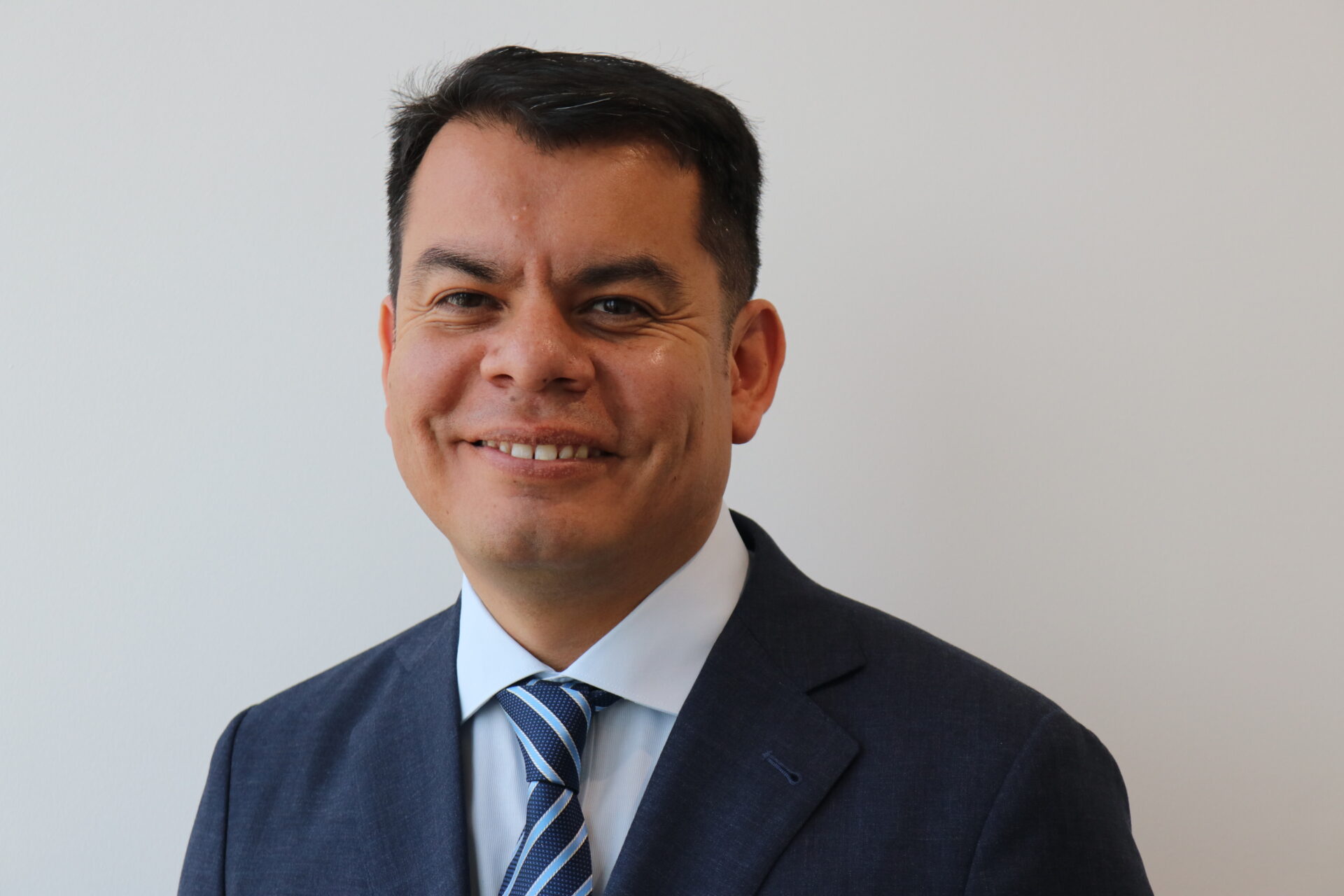
By Patricio Ledesma, Founder and CEO, Sofpromed
Table of Contents
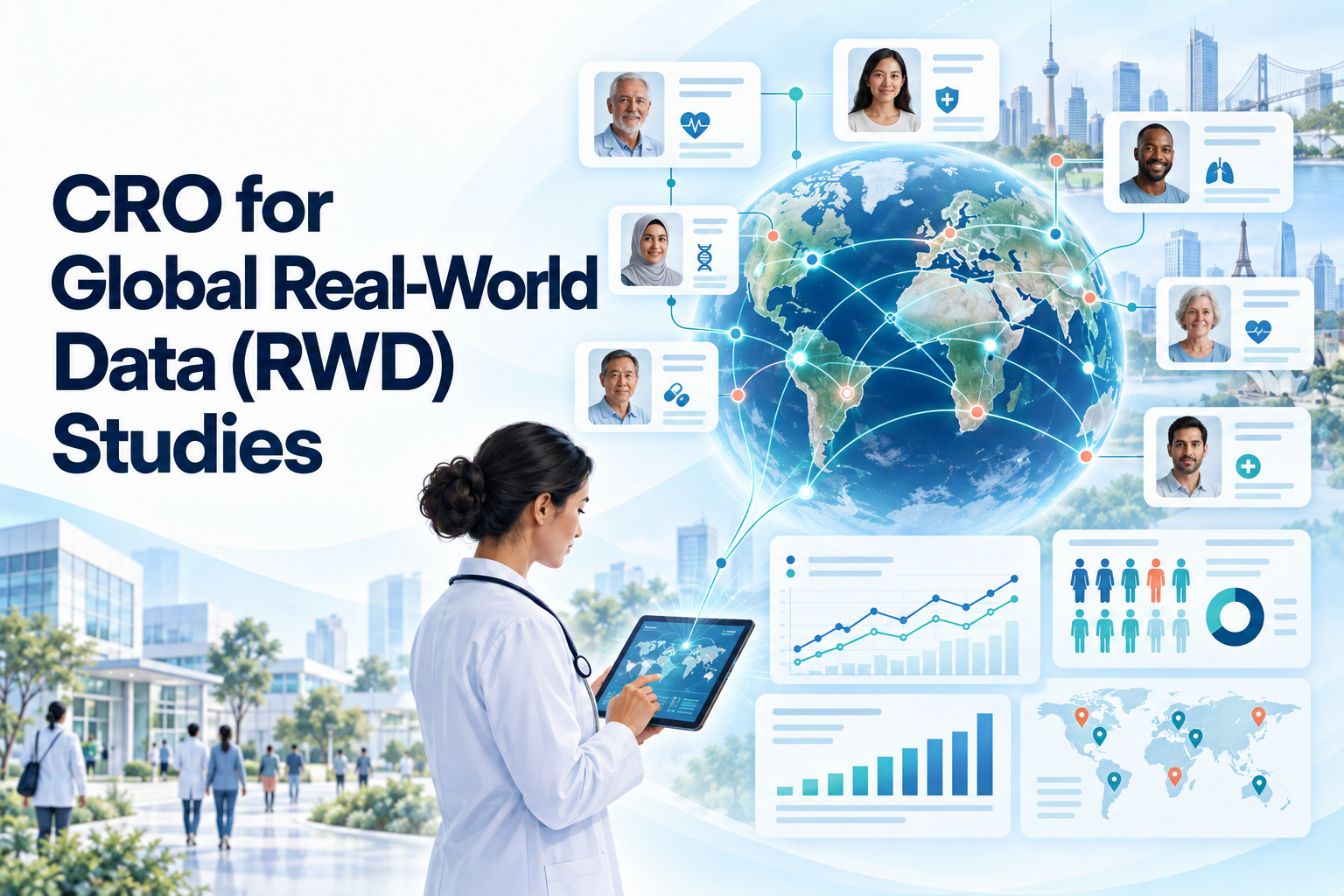
Real-World Data (RWD) has become one of the most valuable assets in modern healthcare research.
While randomized clinical trials remain the foundation for demonstrating efficacy and safety, regulators, payers, healthcare providers, and pharmaceutical companies increasingly rely on Real-World Data to understand how therapies perform in routine clinical practice.
This trend has accelerated significantly over the last decade, driven by advances in electronic health records, disease registries, hospital databases, and digital health technologies.
Having spent more than fifteen years managing international clinical research programs, I have witnessed firsthand the growing importance of Real-World Data studies.
I have also observed that many sponsors initially underestimate the operational complexity involved in conducting these projects, especially when they span multiple countries and healthcare systems.
On paper, an RWD study may appear simpler than a traditional interventional clinical trial because no investigational product is administered.
However, the reality is often very different.
International Real-World Data studies can involve dozens of countries, hundreds of investigators, thousands of patients, multiple ethics committees, diverse privacy regulations, and vast amounts of heterogeneous clinical data.
At Sofpromed, we have extensive experience supporting global Real-World Data initiatives, including large-scale multinational studies involving rare diseases and oncology populations.
Through our operational, regulatory, clinical data management, and project management expertise, we help sponsors transform complex healthcare data into meaningful scientific evidence.
In this article, I will discuss the main challenges associated with global Real-World Data studies, explain how Contract Research Organizations (CROs) help overcome those challenges, share lessons learned from a successful multinational rare tumor project supported by Sofpromed, and describe the operational factors that determine whether an RWD study succeeds or fails.
The Growing Importance of Real-World Data
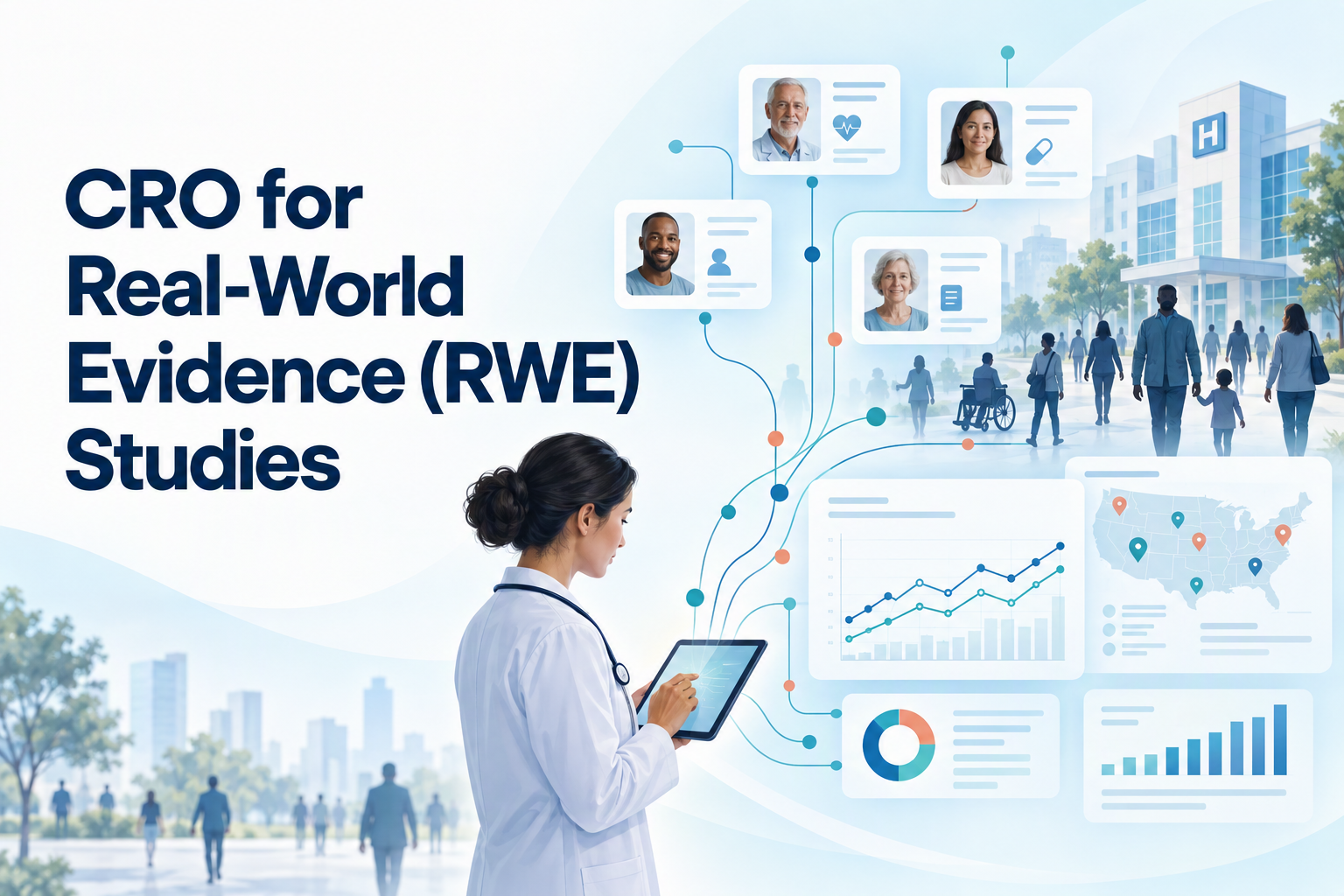
Real-World Data refers to information related to patient health status and healthcare delivery that is routinely collected from sources outside traditional randomized clinical trials.
Common RWD sources include:
|
Source Type |
Examples |
|
Electronic Health Records (EHR) |
Epic, Cerner, hospital information systems |
|
Patient Registries |
Oncology registries, rare disease registries |
|
Insurance Claims Databases |
Public and private payer databases |
|
Laboratory Databases |
Diagnostic testing platforms |
|
Imaging Repositories |
Radiology and pathology databases |
|
Pharmacy Data |
Dispensing and prescription records |
|
Wearable Devices |
Remote monitoring systems |
|
Patient-Reported Outcomes |
Quality-of-life assessments |
RWD supports numerous healthcare objectives, including:
- Post-marketing surveillance
- Comparative effectiveness research
- Health economics and outcomes research (HEOR)
- Safety monitoring
- Clinical practice evaluations
- Regulatory decision making
- Market access submissions
- Rare disease research
- Treatment pattern analyses
The increasing acceptance of Real-World Evidence by agencies such as the FDA, EMA, MHRA, Health Canada, PMDA, and many national reimbursement bodies has expanded the demand for robust multinational RWD studies.
Why Global RWD Studies Are So Challenging
Many sponsors believe that because patients are treated according to routine clinical practice, operational requirements are minimal.
In reality, setting up a multinational Real-World Data study often presents challenges similar to those encountered in interventional clinical trials.
The complexity arises from the need to harmonize data collection, regulatory compliance, ethics requirements, contracting processes, and operational execution across multiple jurisdictions.
The larger the study, the greater the challenge becomes.
Consider a rare disease registry involving:
- 20 countries
- 50 clinical sites
- 5,000 patients
- 10 years of longitudinal follow-up
- Multiple data sources
- Several languages
Without strong operational oversight, such projects can quickly encounter delays, budget overruns, poor-quality data, and inconsistent study execution.
Challenge #1: Country-Specific Ethics and Regulatory Requirements
One of the first obstacles sponsors encounter is the approval process.
Even though many Real-World Data studies are non-interventional, ethical oversight remains essential.
Requirements vary significantly between countries.
For example:
|
Country/Region |
Typical Approval Requirements |
|
European Union |
Ethics Committee approval |
|
United Kingdom |
Research Ethics Committee review |
|
United States |
Institutional Review Board approval |
|
Canada |
Research Ethics Board approval |
|
Brazil |
CEP/CONEP review |
|
Argentina |
Provincial and local ethics approvals |
|
Mexico |
Institutional ethics review |
|
Japan |
Institutional ethics committees |
In addition, some countries require specific approvals for:
- Retrospective chart reviews
- Use of anonymized records
- Secondary use of health data
- International data transfers
- Registry establishment
Managing these submissions separately can overwhelm sponsors, particularly when dozens of sites are involved.
This is one of the areas where experienced CRO support becomes invaluable.
Challenge #2: Data Privacy and Data Transfer Regulations
Data privacy is often the single most underestimated challenge in global RWD programs.
Today, healthcare organizations face increasingly strict regulations governing patient information.
Examples include:
|
Region |
Regulation |
|
European Union |
GDPR |
|
United Kingdom |
UK GDPR |
|
United States |
HIPAA |
|
Brazil |
LGPD |
|
Canada |
PIPEDA |
|
Singapore |
PDPA |
Each regulation introduces specific requirements regarding:
- Patient consent
- Data storage
- Data anonymization
- Data transfer
- Access rights
- Security controls
Sponsors must ensure compliance across every participating country.
Failure to do so can result in:
- Regulatory findings
- Study delays
- Contractual disputes
- Data exclusion
- Financial penalties
A CRO provides the infrastructure and expertise necessary to manage these complexities consistently.
Challenge #3: Identifying Appropriate Sites
Finding suitable investigators and institutions is often difficult, particularly for rare disease studies.
Successful sites must provide:
- Adequate patient populations
- Access to historical records
- Research experience
- Available personnel
- Institutional support
- Long-term commitment
For common diseases, site recruitment may be relatively straightforward.
For rare tumors, rare genetic conditions, or ultra-rare diseases, identifying qualified sites becomes significantly more difficult.
The challenge increases dramatically when:
- Patients are geographically dispersed.
- Different healthcare systems are involved.
- Long-term follow-up is required.
- Historical records cover many years.
Experienced CROs maintain extensive investigator networks that accelerate site selection activities.
Challenge #4: Site Contracts and Budget Negotiations
One of the greatest causes of startup delays in multinational studies is contracting.
Each institution typically has its own legal department, procurement process, financial requirements, and contractual templates.
Negotiations frequently involve:
- Data ownership
- Publication rights
- Budget terms
- Subject compensation
- Privacy obligations
- Intellectual property
- Insurance requirements
A study involving fifty sites may require fifty separate negotiations.
Without dedicated contract specialists, startup timelines can easily extend by several months.
Professional CROs maintain contracting teams whose sole focus is accelerating agreement execution and site activation.
Challenge #5: Site Activation and Study Training
Even after ethics approvals and contracts are finalized, sites cannot begin enrolling subjects until proper activation procedures are completed.
Site activation typically includes:
- Investigator training
- Study documentation review
- System access provisioning
- Data entry training
- User account creation
- Registry procedures training
- Data privacy compliance training
Poorly trained sites often generate:
- Missing data
- Data inconsistencies
- Protocol deviations
- Higher query rates
- Delayed database locks
Proper startup procedures reduce these risks significantly.
Challenge #6: Data Standardization
One of the most difficult aspects of international RWD research involves standardizing data from diverse sources.
Different countries may use:
- Different medical coding systems
- Different laboratory units
- Different disease classifications
- Different treatment pathways
- Different healthcare practices
For example, tumor staging information may be captured differently between hospitals in Spain, Germany, Brazil, and Argentina.
Similarly:
- Laboratory values may use different units.
- Historical records may vary in detail.
- Medical terminology may differ substantially.
Without rigorous data standardization procedures, pooled analysis becomes unreliable.
Challenge #7: Data Quality Management
Many sponsors assume that because data originates from clinical practice, it is automatically reliable.
In reality, real-world datasets frequently contain:
- Missing variables
- Duplicate records
- Incomplete follow-up
- Coding inconsistencies
- Documentation gaps
- Historical inaccuracies
Effective data quality management requires structured processes including:
|
Data Review Activity |
Objective |
|
Query Management |
Resolve discrepancies |
|
Consistency Reviews |
Verify data logic |
|
Medical Coding Reviews |
Standardize terminology |
|
Data Reconciliation |
Verify source alignment |
|
Missing Data Reviews |
Improve completeness |
A dedicated CRO data management team becomes critical in maintaining study integrity.
The Role of a CRO in Global Real-World Data Studies
A CRO serves as the operational engine behind multinational RWD projects.
Sponsors define scientific objectives.
The CRO executes the study.
At Sofpromed, our role typically includes:
Regulatory Support
- Ethics submissions
- Privacy documentation
- Regulatory correspondence
- Approval tracking
Site Start-Up
- Feasibility assessments
- Site identification
- Site selection
- Site qualification
Contracting
- Budget negotiations
- Contract drafting
- Legal coordination
- Agreement execution
Site Activation
- Site training
- Documentation review
- Study initiation
Clinical Data Management
- Database development
- Data cleaning
- Query management
- Medical coding
Project Management
- Timeline tracking
- Risk management
- Vendor coordination
- Sponsor communication
These integrated services allow sponsors to focus on strategic objectives while operational execution is managed efficiently.
Case Study: Global Rare Tumor Real-World Data Project
One of the most significant Real-World Data programs supported by Sofpromed involved a multinational study focused on rare tumors.
The project sought to collect long-term real-world clinical outcomes across Europe and Latin America.
Project Scope
|
Parameter |
Details |
|
Clinical Sites |
50 |
|
Geographic Coverage |
Europe and Latin America |
|
Patients |
Approximately 5,000 |
|
Disease Area |
Rare tumors |
|
Study Design |
Real-world observational study |
|
Follow-Up |
Long-term outcomes |
The sponsor faced several operational challenges:
- Multiple languages
- Diverse healthcare systems
- Numerous ethics committees
- Variable site capabilities
- Complex contracting requirements
- Large-scale data collection needs
Sofpromed was selected to provide comprehensive operational support.
Site Identification and Start-Up
The first phase focused on site selection and feasibility.
Our team leveraged established investigator networks across:
- Spain
- Italy
- Portugal
- Argentina
- Brazil
- Chile
- Colombia
- Additional participating countries
We evaluated:
- Patient volume
- Historical case availability
- Investigator interest
- Data accessibility
- Local regulatory requirements
This process ensured that only qualified sites entered startup activities.
Contracting and Site Activation
Following site selection, Sofpromed managed:
- Site contract negotiations
- Budget discussions
- Legal review coordination
- Document collection
- Site activation activities
Managing fifty sites across two continents required extensive coordination between investigators, hospital administrations, legal departments, and sponsor stakeholders.
Through centralized project management, startup timelines remained aligned with sponsor expectations.
Clinical Data Management
Clinical data management represented one of the most critical components of this project.
With approximately 5,000 rare tumor cases, data consistency was essential.
Our data management team performed:
Database Design
- eCRF development
- Validation rules creation
- User role management
Data Cleaning
- Query generation
- Missing data review
- Consistency checks
Medical Coding
- Disease coding
- Medication coding
- Adverse event standardization
Quality Control
- Ongoing data review
- Trend analyses
- Data reconciliation
These activities helped maintain the high-quality dataset required for downstream analyses.
Key Lessons Learned
Several operational lessons emerged from this project.
Early Feasibility Is Essential
Rare disease studies require accurate patient estimates.
Overestimating site performance can significantly impact timelines.
Contracting Often Determines Success
For multinational studies, site contracts frequently represent the largest startup bottleneck.
Early engagement with legal stakeholders reduces delays.
Data Management Should Start Early
Many sponsors invest heavily in enrollment planning while underestimating data management requirements.
Data quality strategies should be established before the first patient record is entered.
Communication Is Critical
Regular communication between:
- Sponsor teams
- Investigators
- CRO project managers
- Data management groups
helps prevent operational drift.
Key Operational Success Factors for RWD Studies
In my experience, successful Real-World Data studies share several common characteristics.
1. Strong Feasibility Assessment
Accurate site and patient estimates form the foundation of a successful project.
Poor feasibility assumptions often lead to enrollment delays and budget overruns.
2. Efficient Site Start-Up
Site activation speed can make the difference between success and failure.
Experienced CRO support significantly accelerates startup activities.
3. Centralized Project Management
Multinational studies require a central coordination structure capable of managing dozens of stakeholders simultaneously.
4. Robust Data Management
High-quality evidence depends upon high-quality data.
Data cleaning must be continuous rather than retrospective.
5. Consistent Communication
Structured governance combined with regular communication improves study performance across all participating sites.
6. Risk-Based Operational Oversight
Identifying operational risks early allows corrective actions before significant delays occur.
Why Sponsors Choose Sofpromed for Global RWD Programs
At Sofpromed, we understand that Real-World Data studies are operationally complex projects requiring a combination of regulatory expertise, startup experience, data management excellence, and global coordination.
Our teams have supported studies across:
- Europe
- North America
- Latin America
- Asia-Pacific
- Middle East regions
Our experience includes:
- Disease registries
- Rare disease studies
- Oncology programs
- Post-marketing studies
- Health economics projects
- Long-term outcome registries
We provide flexible support models ranging from standalone data management services to fully integrated operational programs.
Our ability to coordinate international startup activities, negotiate site contracts, activate sites efficiently, and manage large-scale clinical datasets allows sponsors to generate reliable Real-World Evidence while minimizing operational risk.
Conclusion
Global Real-World Data studies are becoming increasingly important for pharmaceutical companies, biotechnology firms, medical device manufacturers, academic institutions, and healthcare organizations seeking to generate evidence beyond traditional clinical trials.
However, conducting successful multinational RWD programs requires far more than simply collecting patient information.
Sponsors must navigate ethics approvals, privacy regulations, site selection, contract negotiations, study startup, data standardization, quality management, and long-term operational oversight.
These challenges become even more significant when studies involve multiple countries, thousands of patients, and rare diseases.
From my experience managing international research programs, operational execution is often the difference between a successful Real-World Data study and one that struggles with delays, poor-quality data, and budget overruns.
At Sofpromed, we help sponsors overcome these challenges through comprehensive CRO services that include site start-up, contracting, site activation, project management, and clinical data management.
Our successful support of a multinational Real-World Data study involving 50 clinical sites across Europe and Latin America and approximately 5,000 rare tumor cases demonstrates how strong operational leadership, structured processes, and experienced teams can transform a highly complex international project into a successful evidence-generation program.
As the importance of Real-World Evidence continues to grow, I believe that sponsors who invest in operational excellence from the very beginning will be best positioned to generate reliable data, produce meaningful insights, and ultimately improve outcomes for patients worldwide.