A Flexible and Cost-Effective Model for Modern Clinical Development
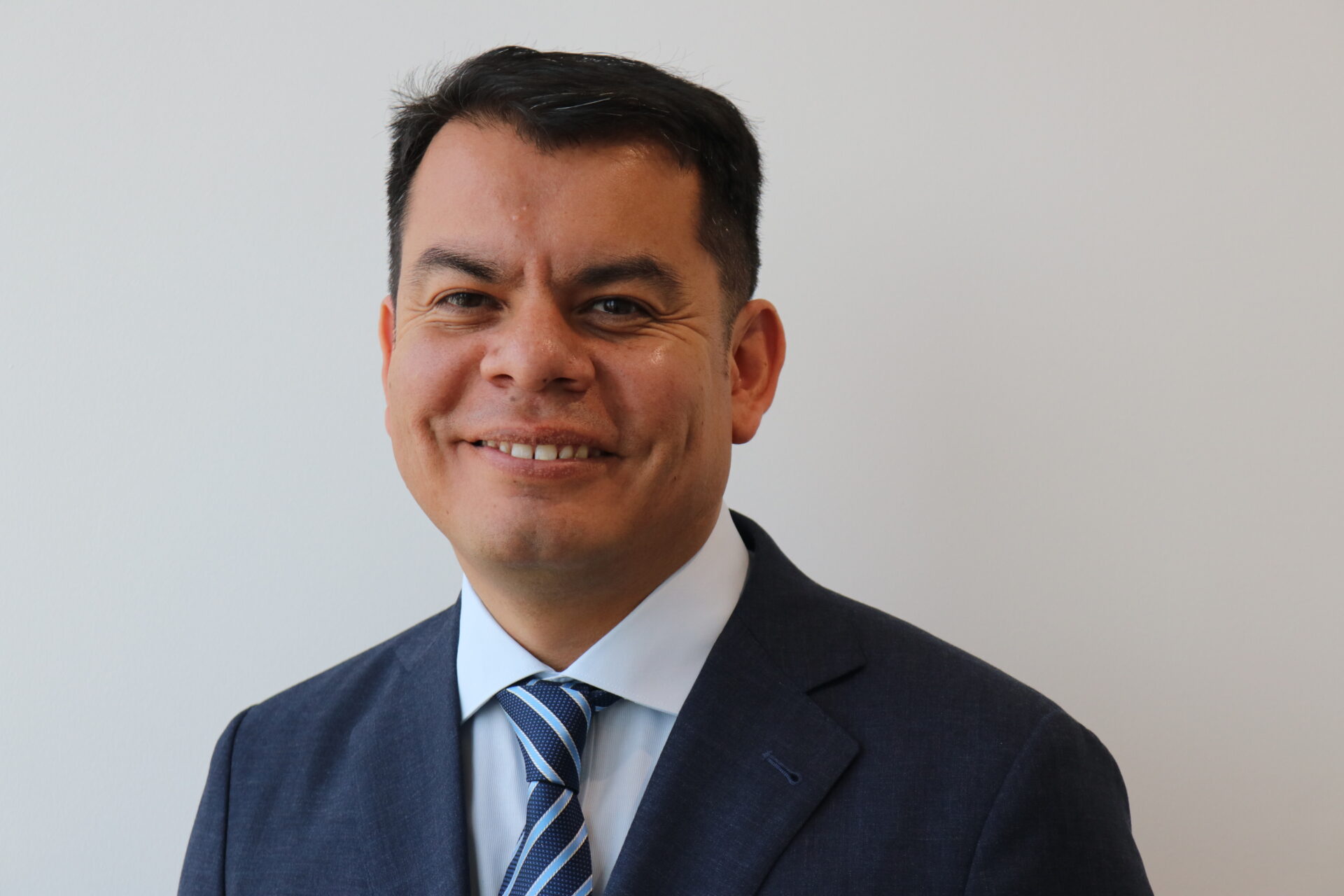
By Patricio Ledesma, Founder and CEO, Sofpromed
Table of Contents
Over the years, I have had hundreds of conversations with biotech founders, clinical operations leaders, medical directors, and academic investigators.
No matter whether they were developing an oncology drug, a rare disease therapy, a medical device, or an advanced therapy medicinal product (ATMP), I kept hearing the same challenge:
"We need statistical programming expertise, but we don't have enough work to hire a full-time programmer."
For many small and mid-sized biotech companies, statistical programming is absolutely critical, yet maintaining an internal team is often financially unrealistic.
Clinical databases need to be cleaned.
SDTM datasets need to be prepared.
ADaM datasets need to be created.
Tables, Listings and Figures (TLFs) must be generated.
Regulatory submissions require carefully programmed outputs and documentation.
The work must be done correctly, but it is often required only at specific stages of development.
That is exactly why, at Sofpromed, we have developed a highly flexible hourly-based statistical programming model that provides biotechs and academic sponsors with experienced programmers only when they need them, without the overhead and complexity of building an internal department.
In this article, I would like to explain why this model has become increasingly popular and how we support sponsors worldwide with senior statistical programming expertise starting at just US$70 per hour.
The Reality of Small Biotech Organizations
Many biotechnology companies are built around a brilliant scientific idea rather than a large corporate structure.
The typical biotech sponsor may have:
- A CEO
- A Chief Medical Officer
- A Clinical Operations Lead
- One Clinical Project Manager
- A few scientists
What they often do not have is:
- Internal statistical programmers
- CDISC specialists
- SAS programmers
- SDTM experts
- ADaM experts
- Regulatory submission programming teams
This is particularly common among:
- Seed-stage biotechs
- Series A biotechs
- Venture-backed startups
- Academic spin-offs
- Investigator-Initiated Trials (IITs)
- University-sponsored studies
The challenge is obvious.
Even if a biotech only needs 30 or 40 hours of statistical programming support this month, it still requires senior expertise.
Hiring a full-time programmer might cost well over US$120,000 to US$180,000 annually when salary, benefits, taxes, software licenses, management overhead, and training are included.
For many organizations, that simply does not make economic sense.
Statistical Programming Is Highly Specialized
One misconception I occasionally encounter is that statistical programming is merely a technical task.
In reality, it is a very specialized discipline that sits at the intersection of:
- Clinical research
- Biostatistics
- Regulatory compliance
- Data standards
- Software development
A programmer supporting clinical trials must understand:
CDISC Standards
Including:
- SDTM
- ADaM
- Define.xml
- Controlled Terminology
Regulatory Expectations
Such as:
- FDA submissions
- EMA submissions
- PMDA requirements
- Health Canada expectations
Clinical Data
Understanding:
- Protocols
- CRFs
- Clinical endpoints
- Safety variables
- Efficacy analyses
Statistical Methodology
Including:
- Analysis populations
- Missing data handling
- Time-to-event analyses
- Longitudinal analyses
- Subgroup analyses
This combination of skills is relatively rare, which is why experienced statistical programmers are highly sought after across the industry.
Why Building an Internal Programming Team Is Difficult
When biotechs first approach us, many have already explored the possibility of building an internal programming function.
Very quickly they discover several challenges.
Recruitment Challenges
Finding experienced statistical programmers is not easy.
Competition exists from:
- Large pharmaceutical companies
- Global CROs
- Technology companies
- Consulting firms
Highly experienced programmers often receive multiple offers.
Hiring may take months.
For an emerging biotech, waiting several months can significantly delay study timelines.
Cost Challenges
A full-time programmer is rarely the only expense.
Infrastructure may include:
|
Resource |
Typical Cost |
|
Programmer salary |
High |
|
Benefits |
Additional cost |
|
Statistical software |
Additional cost |
|
Training |
Additional cost |
|
Management oversight |
Additional cost |
|
Validation procedures |
Additional cost |
For small organizations, these fixed costs can become disproportionately expensive.
Capacity Challenges
Workload is rarely constant.
There may be periods requiring:
- Intense database review
- Interim analysis support
- CSR outputs
- Submission support
And other periods requiring little or no programming activity.
Maintaining full-time resources during low-demand periods can become inefficient.
The Sofpromed Hourly-Based Solution
This is precisely where our model becomes attractive.
At Sofpromed, we provide experienced statistical programmers on an hourly basis.
Rather than committing to a full-time resource, sponsors can simply access the expertise they need when they need it.
This creates tremendous flexibility.
For example:
- 20 hours this month
- 50 hours next month
- 150 hours during database lock
- 300 hours during NDA preparation
The sponsor only pays for actual work performed.
From my perspective, this model aligns far better with how modern biotech companies operate.
Most sponsors need expertise.
They do not necessarily need full-time headcount.
Senior Expertise Without the Overhead
One aspect that I particularly like about our model is that sponsors gain access to senior-level expertise immediately.
There is no lengthy onboarding process.
There is no need to build an internal department.
There is no need to purchase expensive infrastructure.
Instead, our programmers can join ongoing projects and start contributing quickly.
They routinely support:
- Phase I studies
- First-in-human studies
- Phase II studies
- Phase III studies
- Medical device trials
- Real-world evidence studies
- Observational studies
- Oncology programs
- Rare disease programs
Because they work exclusively in clinical research, they already understand the environments, standards, and expectations commonly encountered by sponsors.
Competitive Hourly Rates
Another reason sponsors frequently choose this model is cost efficiency.
At Sofpromed, hourly rates start at approximately US$70 per hour depending on:
- Experience level
- Therapeutic expertise
- Project complexity
- Scope of work
- Regulatory requirements
A biotech may therefore gain access to experienced programming expertise without the financial burden associated with maintaining a dedicated internal team.
This becomes particularly valuable when funding must be carefully managed.
Most emerging biotechs operate under strict investor budgets.
Every dollar saved may extend development runway and provide additional time to reach clinical milestones.
In that context, resource flexibility becomes a strategic advantage rather than simply a procurement decision.
Services We Commonly Provide
Our statistical programmers support sponsors throughout the clinical development lifecycle.
Some typical activities include:
SDTM Programming
Creation of:
- SDTM domains
- Validation datasets
- Define.xml support
- Submission-ready datasets
ADaM Programming
Development of:
- Analysis datasets
- Derived variables
- Analysis populations
- Regulatory-compliant structures
Tables, Listings and Figures
Programming:
- Safety tables
- Efficacy tables
- Demographic summaries
- Listings
- Figures
- PK outputs
Interim Analyses
Generation of datasets and outputs supporting:
- Data Monitoring Committees
- Safety Review Committees
- Internal decision-making
Clinical Study Report Outputs
Programming and quality control support for:
- CSR tables
- Listings
- Figures
Regulatory Submission Support
Preparation of programming deliverables required for:
- FDA submissions
- EMA submissions
- International regulatory submissions
Supporting Biotech Sponsors Worldwide
One of the advantages of working in a global CRO environment is exposure to a broad range of studies.
Over the years, we have provided statistical programming support to sponsors across numerous geographic regions.
These include:
- North America
- Europe
- United Kingdom
- Middle East
- Asia-Pacific
Many clients initially engage us for a single project.
Over time, the relationship grows as additional studies enter development.
The flexibility of the hourly-based model allows sponsors to scale resources according to project needs rather than organizational size.
This is especially useful for growing biotech companies whose development pipelines evolve rapidly.
Experience Across Multiple Therapeutic Areas
Another important advantage is therapeutic diversity.
Our teams have supported studies in a wide range of therapeutic areas.
Examples include:
Oncology
Including:
- Solid tumors
- Hematological malignancies
- Rare cancers
Neurology
Including:
- Neurodegenerative diseases
- Central nervous system disorders
Rare Diseases
Supporting sponsors developing treatments for highly specialized patient populations.
Infectious Diseases
Including multinational clinical development programs.
Cardiovascular Disease
From early-phase studies to later-stage clinical development.
Endocrinology
Including diabetes and metabolic disorders.
Medical Devices
Supporting device-related clinical investigations and regulatory programs.
Real-World Evidence
Providing programming support for observational and real-world data projects.
This broad exposure allows our programmers to adapt quickly to different clinical environments.
Why Sponsors Appreciate Flexible Programming Resources
When clients describe the value of the model, several themes arise repeatedly.
Predictable Budgeting
Sponsors can forecast programming costs more accurately.
They only pay for work actually required.
Rapid Resource Allocation
Additional programmers can often be added as needs increase.
This becomes extremely valuable near:
- Database lock
- Interim analyses
- Regulatory submissions
Reduced Administrative Burden
Sponsors avoid:
- Recruiting
- Onboarding
- Training
- Workforce management
Access to Specialized Skills
Specific expertise can be brought into projects without permanent hiring commitments.
Scalability
Resources can increase or decrease depending on project demands.
This flexibility is difficult to achieve with traditional staffing models.
A Typical Example
Imagine a biotech running a Phase II oncology study.
Database lock is scheduled in three months.
The company suddenly realizes it requires:
- ADaM dataset creation
- TLF programming
- Quality control review
- CSR support
Recruiting a full-time programmer would likely take longer than the available timeline.
Instead, the sponsor can engage an experienced Sofpromed statistical programmer within a short timeframe.
The programmer focuses exclusively on the required tasks.
Once the deliverables are complete, the engagement can be reduced or paused entirely.
The sponsor gains expertise when needed without carrying long-term fixed costs.
For many organizations, this is simply a more practical approach.
Academic Sponsors Also Benefit
Although biotechnology companies represent a large portion of our client base, academic sponsors also benefit significantly from this model.
Academic studies frequently face challenges such as:
- Limited funding
- Grant restrictions
- Small project teams
- Tight timelines
In many cases, hiring permanent statistical programming staff is not feasible.
An hourly-based model allows academic investigators to access experienced programming resources without exceeding budget constraints.
This can be particularly useful for:
- Investigator-Initiated Trials
- Translational research programs
- Rare disease studies
- Publicly funded research
Our Philosophy
At Sofpromed, we try to keep the process simple.
Clinical development is already complex enough.
Adding unnecessary contractual or operational complexity rarely helps sponsors move faster.
Our objective is straightforward:
Provide experienced statistical programmers who can integrate seamlessly into sponsor teams and deliver high-quality outputs efficiently.
Whether a biotech requires 20 hours of support or several hundred hours over the course of a regulatory program, we adapt resources to meet the project's specific needs.
My Conclusions
Throughout my career, I have seen many innovative biotechnology companies struggle with the same challenge: they require highly specialized statistical programming expertise but cannot justify maintaining a large in-house programming department.
In today's clinical research environment, flexibility matters more than ever.
Sponsors need access to experienced professionals, but they also need to manage budgets responsibly and allocate resources efficiently.
That is why I strongly believe that an hourly-based statistical programming model is often one of the most practical solutions available for small and mid-sized biotech companies.
At Sofpromed, we have successfully supported biotech companies and academic sponsors worldwide across multiple therapeutic areas, helping them obtain exactly the level of statistical programming support they need, exactly when they need it.
With experienced professionals, regulatory-focused deliverables, scalable engagement models, and hourly rates starting from just US$70 per hour depending on experience and project requirements, we offer an efficient alternative to building and maintaining an internal programming department.
For emerging biotechs seeking agility, flexibility, and cost control, that combination can make a meaningful difference in accelerating clinical development while preserving valuable financial resources for what matters most: advancing innovative therapies to patients.